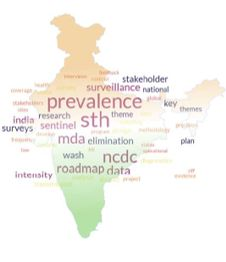
Soil-transmitted helminths (STH): from mass deworming to precision surveillance
Over the past decade, India has made remarkable progress in reducing the burden of soil-transmitted helminth infections through sustained implementation of the National Deworming Day (NDD) and improvements in water, sanitation, and hygiene. In several states, we are now witnessing declining prevalence and intensity—an encouraging sign that calls for the next strategic shift.
As morbidity reduces, the key question is no longer whether deworming works, but how we transition responsibly:
When should MDA frequency be adapted?
How do we strengthen surveillance to detect residual transmission and prevent rebound?
What role can more sensitive diagnostics and integrated delivery platforms play?
Moving forward, India’s STH response must evolve from a one-size-fits-all approach to a data-driven, surveillance-led strategy, anchored in strong institutional coordination, harmonised methodologies, and national ownership.
At the Health Continuum, we are engaging with experts and institutions to consolidate learnings from state and national efforts and support the development of a forward-looking roadmap for STH surveillance—one that safeguards past gains while preparing for elimination-era challenges.
The conversation on STH needs to shift—from scale to sustainability.
Join Us in Making a Difference
Take action now and become a part of our mission to transform healthcare and promote holistic wellbeing for all. Whether you’re an advocate, a donor, or a partner organization, your support helps us drive meaningful change in communities worldwide.